Disease Control
Disease Control in Nigeria and Across Africa: Why Strong Laboratory and Clinical Systems Matter
Disease control remains one of the most important priorities for healthcare systems in Nigeria and across Africa. As populations grow, cities expand, and movement between regions becomes faster, the need for effective prevention, early detection, accurate diagnosis, and rapid response has become more critical than ever. From infectious disease outbreaks to antimicrobial resistance and routine public health monitoring, strong healthcare infrastructure is no longer optional. It is essential.
At the center of disease control are two vital pillars: laboratories and clinical environments. These are the frontline spaces where diseases are detected, monitored, treated, and prevented from spreading further. Without reliable diagnostic systems, properly equipped healthcare facilities, trained personnel, and sustainable support infrastructure, disease control efforts are weakened from the start.
The Importance of Disease Control in Africa
Nigeria, like many countries across Africa, faces a unique combination of healthcare challenges and opportunities. The region continues to manage both communicable and non-communicable diseases, while also needing to prepare for emerging public health threats. Effective disease control is not only about reacting to outbreaks. It is about building resilient systems that can identify risks early, support clinicians with accurate information, and protect communities over the long term.
Disease control supports:
-
early diagnosis and treatment
-
outbreak surveillance and response
-
infection prevention and control
-
public health screening programs
-
safe patient management in hospitals and clinics
-
stronger national and regional health security
When healthcare systems have the right infrastructure in place, lives are saved, transmission is reduced, and resources are used more efficiently.
Why Laboratories Are Central to Disease Control
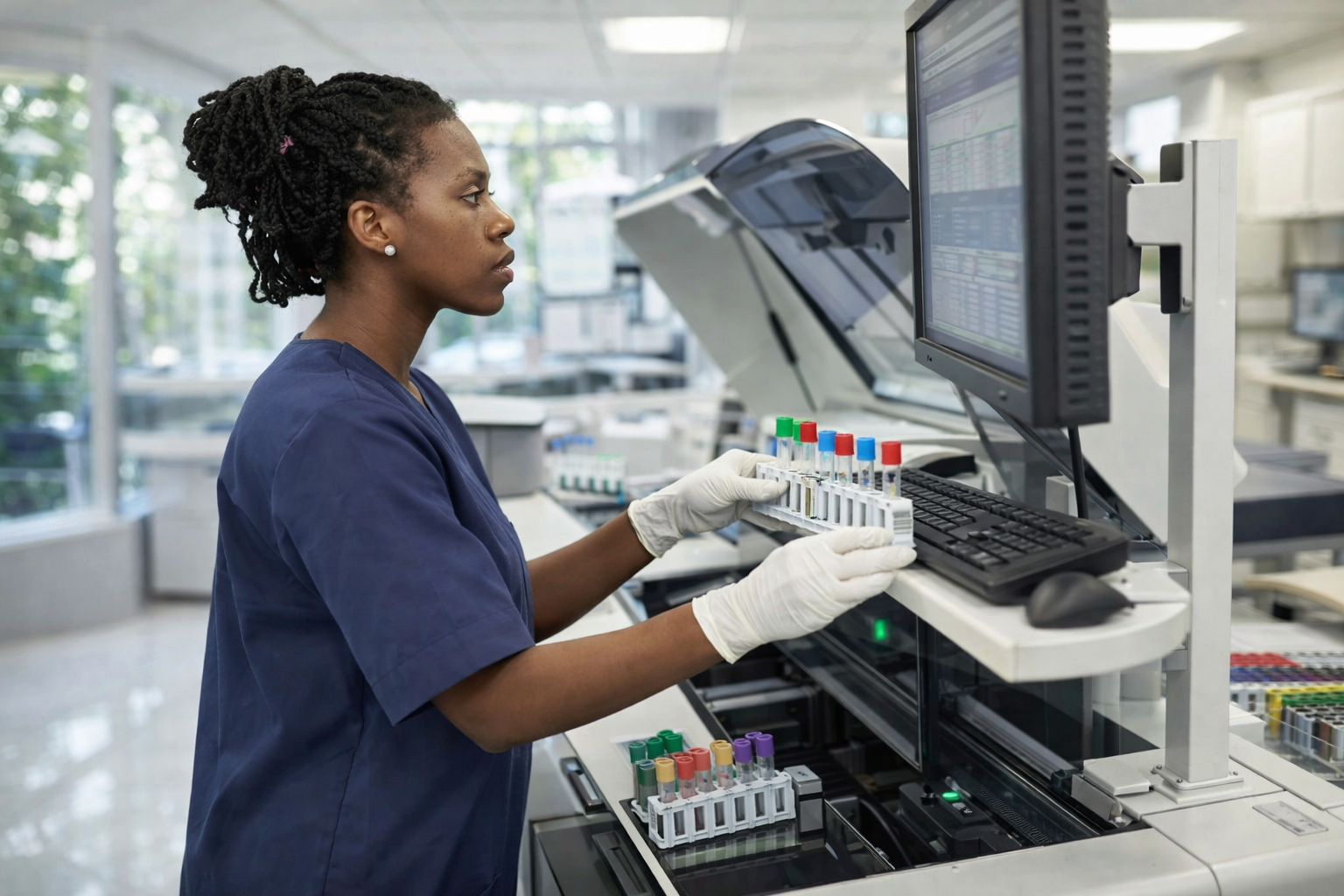
Laboratories play a foundational role in modern healthcare. They provide the diagnostic evidence that guides treatment decisions, confirms infectious diseases, tracks disease patterns, and supports public health interventions. In disease control, laboratory services are not a support function at the margins. They are central to the entire system.
A well-equipped laboratory helps healthcare providers:
-
identify pathogens accurately and quickly
-
confirm suspected infections
-
monitor blood chemistry, haematology, microbiology, and immunology parameters
-
support screening and surveillance programs
-
reduce guesswork in clinical decision-making
-
improve patient outcomes through precise diagnosis
In Nigeria and across Africa, access to reliable laboratory systems can significantly strengthen disease control capacity at primary, secondary, and tertiary healthcare levels. This includes everything from routine diagnostic laboratories to specialized molecular, microbiology, pathology, and public health laboratories.
The Need for Modern Laboratory Infrastructure
Disease control depends not only on test kits and analyzers, but on the full laboratory ecosystem. This includes:
-
laboratory design and workflow planning
-
diagnostic analyzers and equipment
-
biosafety systems
-
sample handling and storage solutions
-
sterilization and decontamination systems
-
cold chain and reagent storage
-
uninterrupted power support
-
maintenance and calibration
-
staff training and technical support
A laboratory is only as effective as the reliability of the entire environment around it. Downtime, poor workflow, weak maintenance culture, and inadequate support can severely affect diagnostic performance and response time.
Why Clinical Environments Matter Just As Much
Disease control does not stop in the laboratory. Clinical environments are where patient contact happens, where infection risks must be managed carefully, and where diagnosis is translated into treatment and care. Hospitals, clinics, isolation areas, emergency departments, outpatient centers, maternity facilities, intensive care units, and specialist treatment centers all play a direct role in disease prevention and containment.
In a clinical setting, disease control relies on:
-
infection prevention and control measures
-
appropriate patient flow and triage systems
-
safe equipment and surface hygiene
-
isolation capability where required
-
proper sterilization and reprocessing
-
staff protection and occupational safety
-
reliable access to diagnostic results
-
effective treatment support systems
If clinical environments are poorly planned or inadequately equipped, diseases can spread more easily within healthcare facilities themselves. This increases the burden on the health system and places patients, clinicians, and surrounding communities at greater risk.
Our Role in Supporting Disease Control in Nigeria and Across Africa
Our company is committed to supporting stronger healthcare systems through the supply, delivery, installation, and long-term support of advanced medical, laboratory, and life-science solutions. We see disease control not as a single product category, but as a system-wide responsibility that requires dependable infrastructure, technical expertise, and sustainable partnership.
We support disease control efforts by helping healthcare institutions build and maintain the practical foundations they need to operate effectively. This includes support for laboratories, hospitals, diagnostic centers, research institutions, and public health environments.
How We Contribute
1. Supplying Critical Laboratory Equipment
We provide high-quality laboratory and diagnostic equipment that enables healthcare professionals to perform accurate and timely testing. This helps facilities improve diagnostic confidence, expand service capability, and strengthen disease monitoring.
2. Supporting Clinical Environments
We help equip clinical spaces with the essential medical systems needed to manage patients safely and efficiently. From routine care environments to higher-acuity healthcare settings, our focus is on functionality, durability, and reliability.
3. Delivering Turnkey Solutions
Disease control requires more than individual devices. It requires integrated solutions. We support turnkey projects that bring together equipment, layout planning, installation, workflow considerations, and operational readiness.
4. Strengthening Maintenance and After-Sales Support
A common challenge across many healthcare environments in Africa is equipment downtime caused by limited technical support. Our involvement goes beyond supply. We place strong emphasis on after-sales service, preventive maintenance, technical support, and keeping systems operational over time.
5. Promoting Long-Term Capacity
We believe sustainable disease control depends on long-term capacity, not short-term intervention. That means supporting healthcare providers with systems that are practical, serviceable, and aligned with local operating realities.
Why This Matters for Nigeria
Nigeria’s healthcare system serves a large and dynamic population. The demand for better diagnostic access, improved laboratory standards, stronger infection control, and more resilient healthcare delivery continues to grow. Investments in disease control infrastructure can improve healthcare outcomes at every level, from community-based screening to specialist hospital care.
Stronger laboratory and clinical systems in Nigeria can help to:
-
improve early disease detection
-
reduce diagnostic delays
-
support infection control in healthcare facilities
-
improve treatment decisions
-
strengthen outbreak preparedness
-
support government and institutional public health goals
-
improve confidence in healthcare delivery
For disease control to succeed, healthcare institutions need partners that understand both the technical and operational side of implementation.
A Partnership Approach to Better Health Outcomes
We believe meaningful progress in disease control comes through partnership. Healthcare providers, governments, institutions, and technical solution partners all have a role to play. Our role is to help bridge the gap between need and implementation by delivering dependable solutions for laboratories and clinical environments that support real healthcare improvement.
As Nigeria and other African countries continue to strengthen their healthcare systems, laboratory capacity and clinical readiness will remain at the heart of disease prevention and response. Investing in these areas is not just about equipment. It is about protecting lives, improving resilience, and building healthier communities.
Conclusion
Disease control in Nigeria and across Africa depends on strong systems, reliable infrastructure, and consistent technical support. Laboratories are essential for accurate diagnosis and surveillance. Clinical environments are essential for safe treatment, infection prevention, and patient care. Both must work together for healthcare systems to respond effectively.
Our company is proud to support this mission by contributing the equipment, expertise, and long-term support needed to strengthen laboratories and healthcare facilities across the region. Through practical solutions and sustained partnership, we aim to play a meaningful role in advancing disease control and improving health outcomes throughout Nigeria and Africa.